
Navigating the Intricate Pathways of Desire and Well-Being
Introduction
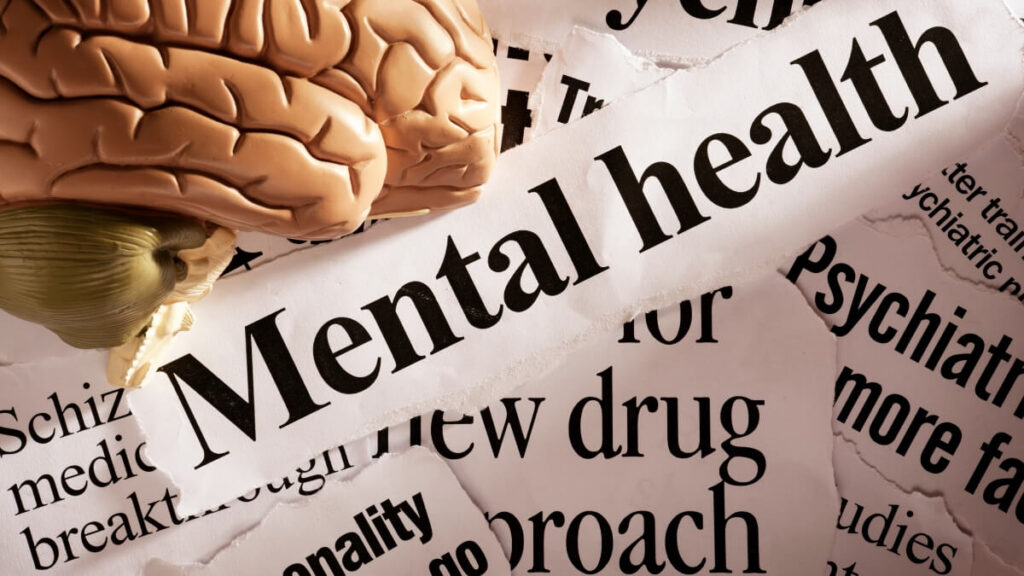
When we talk about male sexual health, the focus often falls solely on hormones, age, or physical performance. Yet one of the most powerful drivers of sexual function lives much higher up — in the mind. Mental health and sexual performance are deeply connected, influencing desire, arousal, confidence, and satisfaction in ways many men don’t fully realize.
Stress, anxiety, emotional pressure, and low self-esteem don’t stay neatly contained in our thoughts. They spill into the body, affecting blood flow, hormone balance, and even how the brain responds to intimacy. Understanding this connection is not about blame — it’s about clarity, empowerment, and reclaiming control over both mental and sexual well-being.
Let’s explore the key facts that explain how mental health shapes male sexual function — and what can be done naturally and safely to support both.
1. Performance Anxiety: When the Mind Becomes the Biggest Obstacle
Performance anxiety is one of the most common psychological barriers to healthy sexual function. It often begins with a single negative experience — a moment of stress, fatigue, or distraction — and quickly turns into a cycle of fear and self-doubt.
When a man worries about “failing,” the body enters a stress response. Blood flow shifts away from sexual organs, adrenaline rises, and erections become harder to achieve or maintain. Ironically, the more one tries to control the situation, the more elusive relaxation becomes.
This is why addressing mental pressure — not just physical symptoms — is essential. Many men find relief by combining mindset shifts, lifestyle changes, and natural support options that help the body relax and respond more naturally. Some choose to complement this approach with confidence-boosting supplements like Goliath XL 10, which is designed to support male vitality without relying on harsh stimulants.
2. Neurotransmitters and Desire: The Dopamine Connection
Sexual desire doesn’t start in the body — it starts in the brain. Neurotransmitters like dopamine play a key role in motivation, pleasure, and arousal. When mental health is balanced, dopamine flows smoothly, reinforcing desire and enjoyment.
However, conditions such as chronic stress, anxiety, or depression can disrupt this delicate chemical balance. Low dopamine levels are often linked to reduced libido, lack of excitement, and emotional numbness — even when physical health appears normal.
Supporting mental clarity, emotional stability, and healthy brain chemistry is crucial. This includes proper sleep, stress reduction, physical activity, and in some cases, natural supplements formulated to support circulation, energy, and male confidence. Products like Goliath XL 10 are often explored by men looking for a holistic boost that aligns mind and body rather than forcing short-term results.
3. Stress, Cortisol, and Sexual Shutdown
Modern life keeps many men in a constant state of tension. Work pressure, financial worries, family responsibilities — all contribute to chronic stress. The body responds by releasing cortisol, the primary stress hormone.
While cortisol is helpful in short bursts, long-term elevation can suppress testosterone, reduce libido, and interfere with erectile function. High stress essentially tells the body that survival is more important than reproduction.
This is why stress management isn’t a luxury — it’s a necessity for sexual health. Practices such as mindfulness, physical movement, quality sleep, and emotional connection all help lower cortisol levels. Some men also look for natural performance-support solutions that work in harmony with the body, especially when stress has taken a toll over time.
4. Depression and the Silent Loss of Desire
Depression doesn’t always look like sadness. Sometimes it appears as emotional flatness, low motivation, and a complete loss of sexual interest. Men experiencing depression often report feeling disconnected from pleasure — including intimacy.
This loss of desire is not a personal failure. It’s a biological and emotional response to prolonged mental strain. Unfortunately, shame or embarrassment prevents many men from addressing it openly.
Rebuilding sexual interest during or after depression requires patience and compassion. Gentle lifestyle changes, emotional support, and gradual confidence rebuilding can make a meaningful difference. For some, combining mental recovery with physical support — such as natural male enhancement aids like Goliath XL 10 — becomes part of a broader self-care strategy aimed at restoring both energy and self-belief.
5. Medications and Sexual Side Effects: A Delicate Balance
Mental health medications can be life-changing, but they sometimes come with sexual side effects, including reduced libido or difficulty maintaining an erection. This creates a frustrating dilemma for many men.
The key is open communication with healthcare professionals. Adjustments, alternative therapies, or supportive lifestyle changes may help reduce unwanted effects without compromising mental stability.
It’s also important to avoid self-medicating or chasing quick fixes. Sustainable sexual health comes from balance — not extremes.
Conclusion: A Holistic Path to Male Sexual Well-Being
The connection between mental health and male sexual function is undeniable. Desire, performance, and satisfaction are not just physical events — they are deeply emotional and psychological experiences.
By understanding how anxiety, stress, neurotransmitters, depression, and medications interact with sexual health, men can move away from frustration and toward informed, empowered choices.
True improvement begins with self-awareness, compassion, and responsible action. Supporting mental health, managing stress, and exploring natural options when appropriate can open the door to a healthier, more confident sexual life — one that honors both mind and body.