
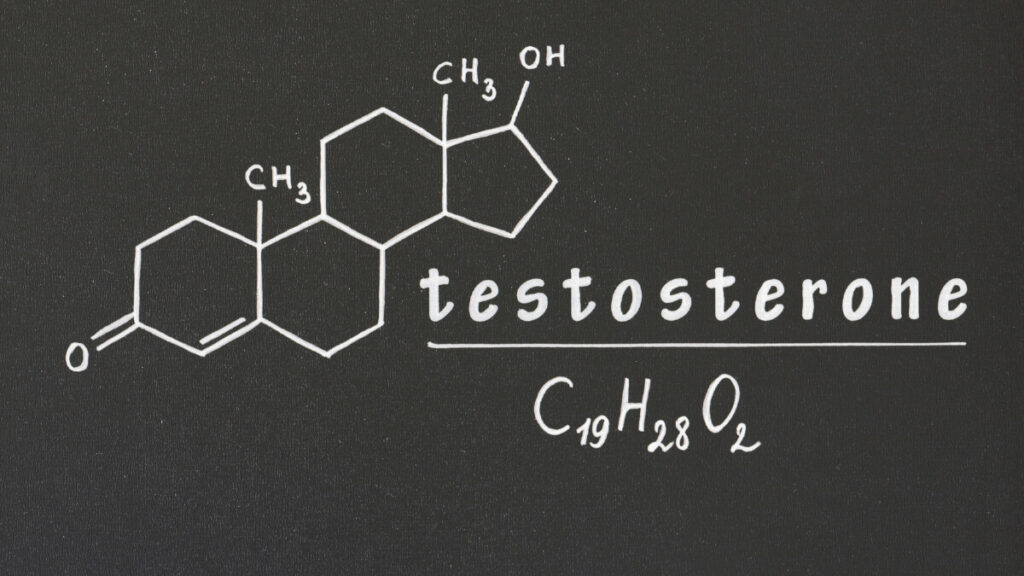
Unveiling the Hormone’s Impact on Men’s Health
Introduction
Testosterone is often talked about like it’s a superhero hormone — responsible for muscles, sex drive, and “manliness.” But the truth is much deeper, more interesting, and far more human. Testosterone quietly influences how men think, feel, move, age, and even how they experience life emotionally.
Understanding testosterone isn’t about chasing extreme levels or quick fixes. It’s about learning how this hormone supports balance, vitality, and long-term well-being. In this article, we’ll explore testosterone in a clear, friendly, and realistic way — separating myths from facts and showing how it truly affects men’s health beyond the gym and the bedroom.
1. Testosterone and Mental Agility: The Brain Connection
Most people associate testosterone with physical strength, but the brain is one of its most important targets.
Research suggests that healthy testosterone levels are linked to:
- Better memory
- Improved focus and attention
- Stronger spatial awareness
- Faster mental processing
Men with very low testosterone sometimes report “brain fog,” difficulty concentrating, or reduced motivation. This doesn’t mean testosterone is a magic intelligence switch, but it does play a supportive role in keeping the mind sharp and responsive.
As men age, gradual testosterone decline may subtly affect mental clarity — which is why mental well-being and hormonal health are closely connected.
2. Testosterone and Heart Health: A Surprising Relationship
For years, testosterone was unfairly blamed for heart problems. Modern research paints a more balanced picture.
Adequate testosterone levels are associated with:
- Healthier blood vessel function
- Better cholesterol balance
- Improved blood circulation
- Reduced inflammation
Low testosterone has been linked to increased cardiovascular risk, fatigue, and reduced physical endurance. This doesn’t mean more testosterone equals a healthier heart — but it does mean that deficiency may strain the cardiovascular system.
Once again, balance is the key.
3. Testosterone and Hair Loss: Genetics Take the Lead
Hair loss is one of the most misunderstood testosterone topics.
Testosterone itself doesn’t cause baldness. Instead, it’s the conversion of testosterone into dihydrotestosterone (DHT) that affects hair follicles in genetically sensitive men. DHT can shrink hair follicles over time, leading to thinning and eventual hair loss.
Important truth:
- Some men with high testosterone never go bald
- Some men with average levels do
Genetics decide how your hair responds — hormones only play a supporting role.
4. Testosterone and Bone Health: Strength Beneath the Surface
Bones aren’t just a women’s health issue. Testosterone is essential for maintaining bone density in men.
Low testosterone levels may contribute to:
- Reduced bone mineral density
- Increased fracture risk
- Gradual skeletal weakening with age
This is why men with chronically low testosterone may experience bone-related problems later in life. Testosterone supports bones quietly, steadily, and over decades — often without men realizing it.
5. Testosterone and Emotional Well-Being: Mood Matters
Testosterone doesn’t just influence the body — it shapes emotions too.
Healthy levels are associated with:
- Stable mood
- Motivation and drive
- Emotional resilience
- Sense of confidence and calm
Low testosterone has been linked to:
- Irritability
- Low motivation
- Depressive symptoms
- Emotional flatness
This doesn’t mean testosterone replaces emotional intelligence or mental health care. But it does mean hormones and emotions are deeply connected — and emotional struggles shouldn’t be ignored or dismissed as “just stress.”
6. Testosterone and Energy Levels: Everyday Vitality
Men often notice declining testosterone not in dramatic ways, but in everyday life:
- Less energy in the morning
- Reduced endurance
- Slower recovery
- Decreased enthusiasm
Testosterone helps regulate how the body uses energy, builds muscle, and recovers from effort. When levels are balanced, men often feel more capable and engaged in daily life — not aggressive or extreme, just well.
7. Testosterone Changes Naturally With Age
Testosterone peaks in early adulthood and gradually declines with age. This is normal — not a disease.
What matters is how you age, not just the numbers:
- Lifestyle
- Sleep
- Stress
- Nutrition
- Physical activity
Many men maintain strong vitality well into later years by supporting their overall health rather than obsessing over hormone levels.
Conclusion: Testosterone Is About Balance, Not Extremes
Testosterone is not just the hormone of muscles and sex — it’s a quiet architect of mental clarity, emotional stability, heart health, bone strength, and daily energy. Its influence touches nearly every system in the male body.
Understanding testosterone helps men move away from fear, shame, or unrealistic expectations and toward a healthier, more respectful relationship with their bodies. The goal is not to chase “high testosterone,” but to support balanced testosterone through informed lifestyle choices and medical guidance when needed.
When you respect balance, your body often responds with resilience, vitality, and confidence — naturally.